
0086-13812610917


A chimney system is exposed to more than heat. Once it reaches the roofline or exterior wall, it must also face rain, snow, wind, leaves, birds, insects, and changing weather. Without proper protection at the top opening, water and debris can enter the flue, causing corrosion, blockage, odor, poor draft, and maintenance problems.
This is why chimney rain caps and rain hats are important components in stainless steel chimney systems. Although small compared with the pipe body, they protect the entire flue route and help keep the heating appliance operating safely and efficiently.
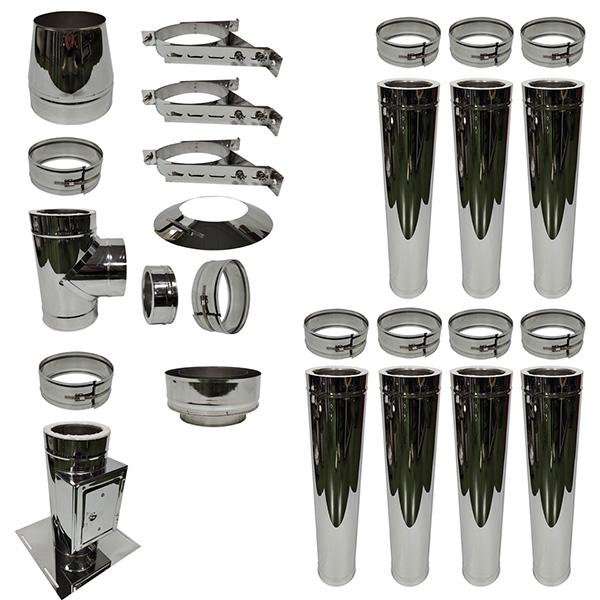
A chimney rain cap, sometimes called a chimney rain hat, chimney cowl, or chimney hood, is installed at the top of a chimney outlet. Its main role is to shield the flue opening while still allowing exhaust gases to escape.
A well-designed cap should allow smooth airflow, prevent rain from falling directly into the pipe, reduce debris entry, and discourage birds or small animals from nesting inside the chimney. Some designs also include mesh screens or spark arrestor functions depending on application needs.
Water is one of the biggest long-term threats to chimney systems. When rain enters the flue, it can mix with soot or combustion residue and form corrosive deposits. In cold climates, moisture may freeze and expand, causing additional stress. In stainless steel systems, water exposure may still affect welds, joints, fasteners, insulation materials, and connected heating appliances if not properly managed.
A chimney rain cap helps reduce this risk by directing water away from the flue opening. This small protective function can extend chimney service life and reduce cleaning and repair costs.
Leaves, twigs, dust, insects, and bird nests can block chimney airflow. A blocked chimney may cause smoke backflow, weak draft, poor combustion, and indoor air quality concerns. In severe cases, blockage can create serious safety risks.
Rain caps with suitable screens or protective structures help keep unwanted materials out of the flue while maintaining ventilation. This is especially important for chimneys in rural areas, forested locations, villas, cabins, and seasonal homes.
A chimney cap should protect the system without restricting airflow. Poorly designed caps may create excessive resistance, especially in windy conditions. This can reduce draft performance and affect heating appliance operation.
A good rain cap balances three requirements:
It blocks rain and debris.
It allows exhaust gases to exit smoothly.
It resists wind-related performance issues.
For pellet stoves, wood stoves, and fireplaces, proper draft is essential. Buyers should select chimney caps that are compatible with the flue diameter, appliance type, and local weather conditions.
Chimney rain caps can be made from stainless steel, galvanized steel, copper, or other metals. For long-term use, stainless steel is often preferred because it offers good corrosion resistance, strength, and appearance.
Galvanized steel can be a cost-effective choice in some applications, but may not provide the same durability in harsh weather or high-moisture environments.
Copper chimney caps offer a decorative appearance and strong weather resistance, but they are typically more expensive and may be used in premium architectural projects.
For OEM buyers and distributors, stainless steel rain caps often provide a balanced combination of durability, cost, and market acceptance.
Chimney rain caps are used in:
Wood stove chimney systems.
Pellet stove flues.
Fireplace chimneys.
Commercial heating ventilation systems.
Outdoor chimney installations.
Villas, cabins, and residential homes.
Replacement and repair markets.
Modular chimney flue kits.
They are also important for export chimney systems because many customers expect a complete solution that includes termination protection, not just pipe sections.
Different markets may require different chimney cap styles. Some buyers prefer simple flat black rain hats for modern pellet stove systems. Others need stainless steel caps with mesh screens for wood-burning applications. Commercial buyers may prefer larger custom caps for wider flue diameters.
Important design options include:
Round or square shapes.
Flat, domed, cone, or sloped top designs.
Mesh or no-mesh structure.
Spark arrestor screen.
Painted black, brushed stainless, or polished finish.
Custom size or connection method.
Compatibility with single-wall or twin-wall chimney pipes.
By offering multiple cap designs, a manufacturer can support residential, commercial, and OEM market needs more effectively.
Before purchasing chimney rain caps, buyers should confirm:
Flue diameter.
Pipe wall structure: single-wall or double-wall.
Material grade and surface finish.
Whether mesh or spark arrestor is needed.
Local weather exposure.
Installation method.
Packaging requirements.
Compatibility with chimney kits.
For distributors, accurate product matching is especially important. A rain cap that does not fit the pipe properly can create leaks, looseness, or installation complaints.
Chimney caps should be inspected regularly. Leaves, soot, bird nests, ice, or corrosion can reduce performance over time. Users should clean the cap when necessary and check that it remains securely attached.
For wood-burning systems, spark screens may accumulate soot or creosote faster, so they require more frequent inspection. In snowy regions, cap shape and clearance should be considered to prevent blockage.
A chimney rain cap may be a small accessory, but it plays a major role in protecting the entire chimney system. It helps prevent rain entry, debris blockage, animal nesting, and weather-related damage while supporting safer flue operation.
For chimney system buyers, rain caps should be treated as essential parts of a complete flue solution. The right stainless steel chimney cap can improve durability, reduce maintenance, and support better long-term customer satisfaction.
Tags:chimney rain cap, chimney rain hat, stainless steel chimney cap, chimney cowl, rain cap manufacturer, chimney accessories










Copyright © 2026 Suzhou Ruilun Metal Products Co., Ltd. Keywords:Stainless Steel Chimney,Chimney Fireplace,Stainless Steel Chimney Parts


 You are here :